
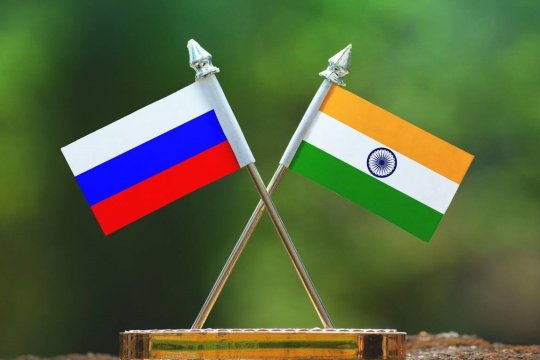
Sanction risks, a lack of business contacts, difficulties with payments and logistics, and cultural differences are the concerns raised by Russian entrepreneurs considering entering the Indian market. However, business representatives interviewed by Kommersant FM consider the region one of the most promising and are awaiting additional preferences from the Indian government. Vladimir Putin announced at the Russian-Indian business forum that the countries will expand cooperation and leverage their shared experience in import substitution.
Russian capital will only be willing to invest in India if there are clear political guarantees that the business will remain under Russian management, notes Alexey Petropolsky, head of the Opora Rossii business rights protection bureau: «Indian business is very well represented in Russia. I know probably a dozen entrepreneurs who have traveled to the republic and negotiated the supply of equipment that traditionally came to us from Europe. This includes pumping units, meat processing lines, light industry equipment, and engineering equipment. They have become exclusive distributors in Russia and are achieving phenomenal revenue results. In just three years, these companies have occupied niches previously dominated by Europeans. This has become cheaper, and Indian goods are no less high-quality.
As for Russian business in India, the first and perhaps most important issue is that the legislation governing the import of goods from Russia has, until now, been structured largely according to the Chinese model. Perhaps this will change now. In other words, it was possible to export anything, but only import what India needed. Anything else is subject to higher duties or is not cleared through customs at all. In such a competitive environment, it’s extremely difficult to say that goods from Russia are cheaper than those produced in India. Businesses have the opportunity to come there and take advantage of cheap labor, set up their own production facilities, which will lead to some international expansion and development in the republic.»
The specificity of working with India is that it is absolutely necessary to be there and immerse yourself in the country’s culture. India is a developing, dynamic economy. Overall, the growth of the middle income segment in India is colossal and noticeable. All entrepreneurs note that if a project takes off there, it’s always a colossal growth.»
Even entrepreneurs in the food service industry are considering starting operations in India, says Ilya Zomba, Director of International Development at Dodo Pizza: «It’s possible if you find a strong local partner with capital, resources, and an understanding of the segment and how to adapt products and a business model to this market. I’ve been to Mumbai, and there really needs to be a very deep adaptation to local needs.
India isn’t a single market either; its states vary greatly from one another. Choosing the right entry point is crucial for us. In terms of adaptation, we studied the experience of Domino’s Pizza, our main and respected competitor. The Indian market is considered one of their most successful. There’s a very well-developed adaptation of the model: Domino’s Pizza operates in the low-cost segment and is very different from other outlets.»
Indian Prime Minister Narendra Modi identified opportunities for Russian-Indian cooperation in areas such as fertilizers, ceramics, manufacturing, and electronics.